Articles for author: Team Applied AI

Agentic AI vs Generative AI: Which is Better for Enterprise Automation?

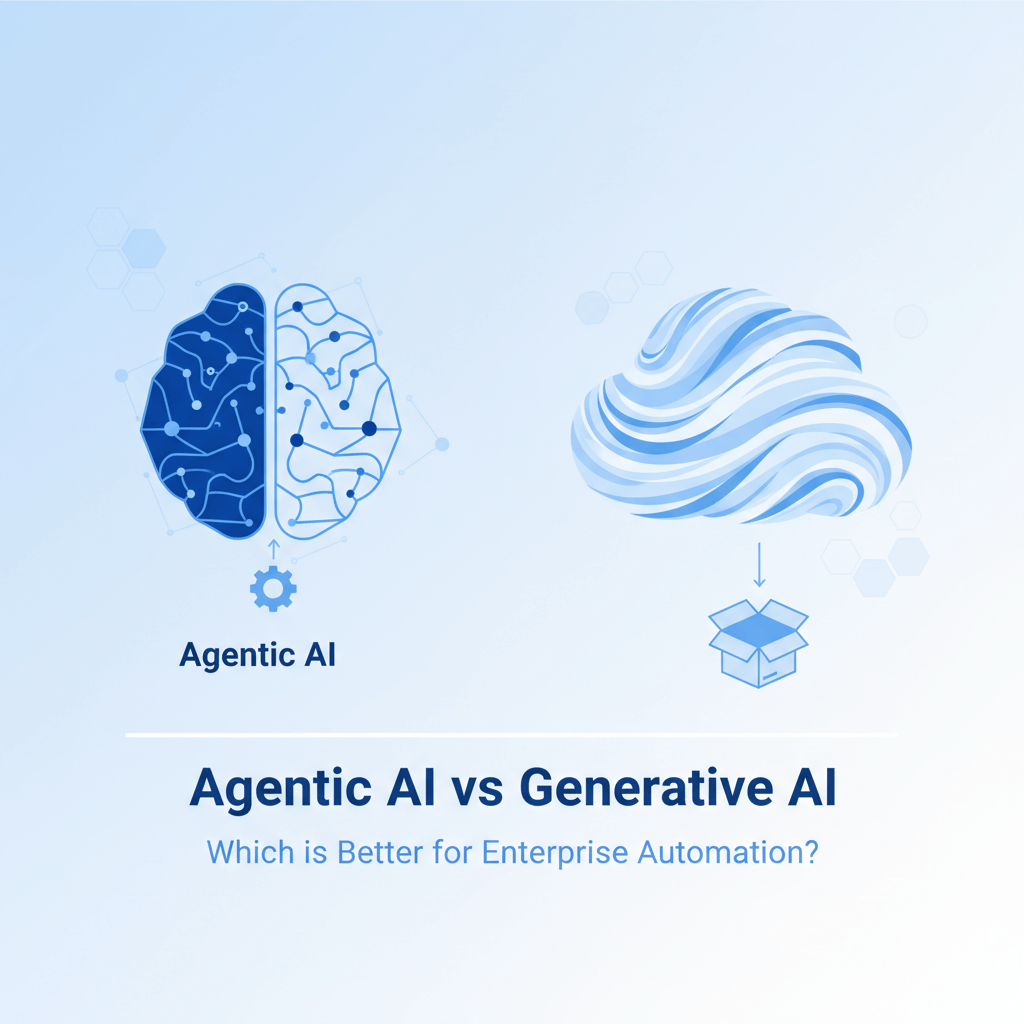
Agentic AI vs Generative AI: Which is Better for Enterprise Automation? The primary difference between agentic AI and generative AI lies in autonomy and execution. Generative AI synthesizes content, code, or data based on direct user prompts, whereas agentic AI operates autonomously, reasoning through multi-step goals, interacting with external APIs, and executing complex workflows without ...
The Complete Generative AI Roadmap: Beginner to Pro

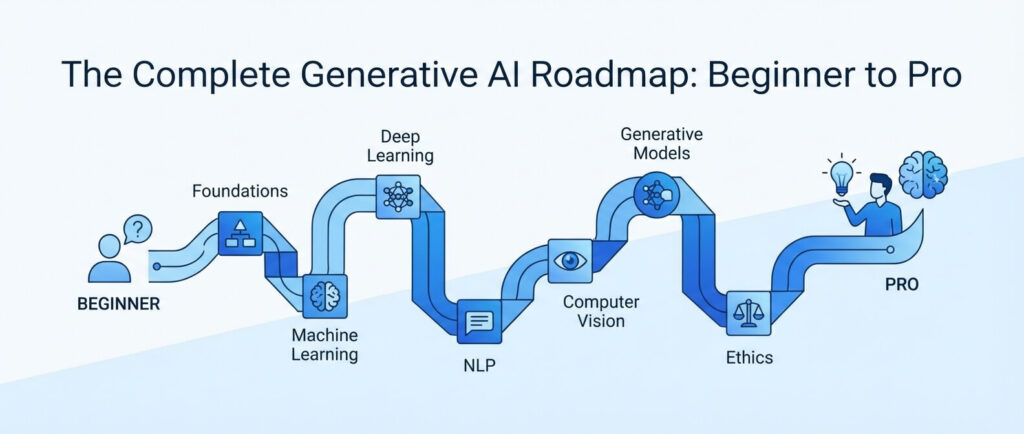
The Complete Generative AI Roadmap: Beginner to Pro A generative ai roadmap is a structured learning path designed to guide software engineers from foundational programming and mathematics through advanced machine learning, deep learning, and transformer architectures. It provides a systematic approach to mastering foundation models, fine-tuning techniques, retrieval-augmented generation (RAG), and model deployment workflows. The ...

How to Become an LLM Engineer: Skills & Roadmap

How to Become an LLM Engineer: Skills & Roadmap An LLM engineer is a specialized artificial intelligence professional focused on designing, training, optimizing, and deploying Large Language Models (LLMs). Their work involves orchestrating complex transformer architectures, implementing fine-tuning techniques, building Retrieval-Augmented Generation (RAG) pipelines, and ensuring scalable model inference in production environments. The Evolution of ...

Is Data Science a Good Career in 2026? Reality Check

Is Data Science a Good Career in 2026? Reality Check Yes, data science is a highly rewarding and lucrative career in 2026 for those possessing rigorous analytical and programming skills. While entry-level roles face saturation, specialized demand for professionals who can deploy machine learning models and handle complex data infrastructure remains exceptionally high. The Current ...

Expectation-Maximization (EM) Algorithm in ML Explained

Expectation-Maximization (EM) Algorithm in ML Explained The EM algorithm in machine learning is an iterative mathematical framework used to find maximum likelihood estimates of parameters in statistical models containing unobserved latent variables. It alternates between an expectation (E) step, which estimates missing data, and a maximization (M) step, which optimizes the model parameters based on ...

Can AI Help You Build Landing Pages for Ads or Promotions Fast? Step by Step Guide

Fine-tuning and generally wasting a lot of time, tweaking hero sections, rewriting calls-to-action, hunting for the perfect image, when running multiple ad campaigns it’s a never-ending routine of dragging and dropping. Well-known brands are familiar with this situation, by the time they’re done, their ad campaigns have usually run out of steam.  Now, there’s a ...

auc roc

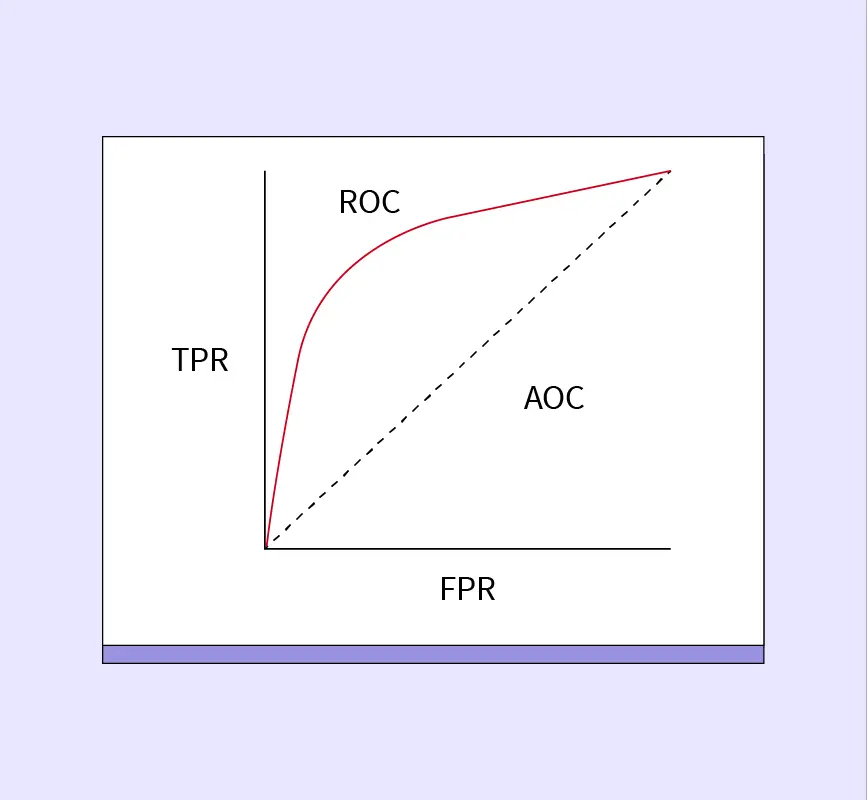
AUC ROC Curve in Machine Learning

Evaluating machine learning models, especially for classification tasks, goes beyond measuring just accuracy. In real-world scenarios—such as fraud detection, medical diagnosis, or spam filtering—datasets are often imbalanced, making accuracy an unreliable metric. This is where the AUC-ROC Curve becomes essential. It provides a comprehensive view of a model’s ability to distinguish between classes across various ...

data analyst skills

Top 10 Data Analyst Skills You Must Have in 2026

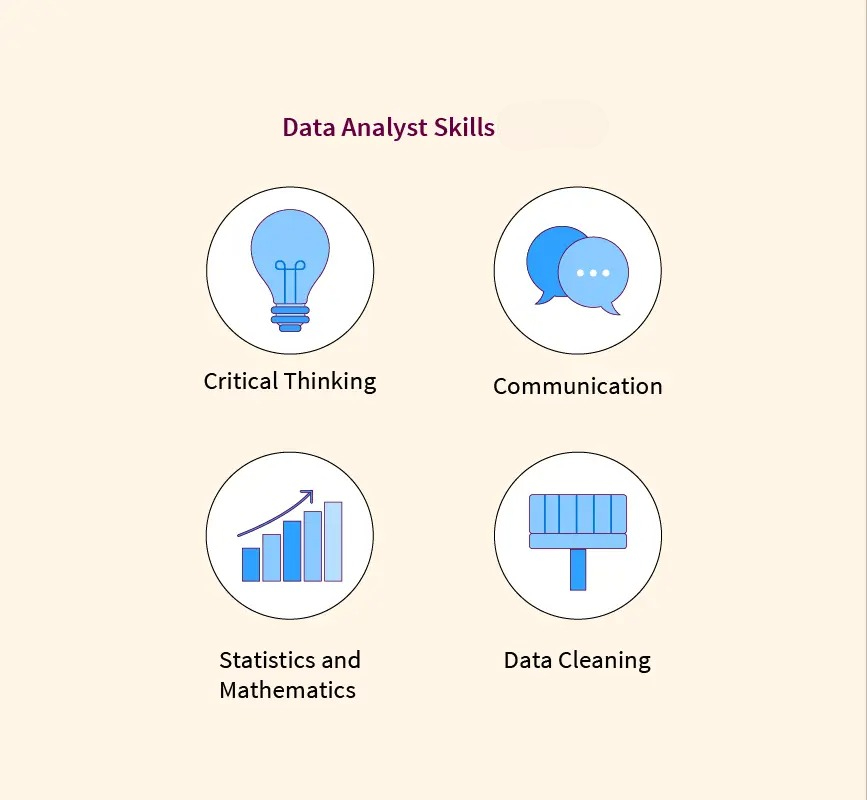
A data analyst is a professional responsible for collecting, organizing, and interpreting data to drive better business decisions. They act as a bridge between complex datasets and actionable insights, helping organizations identify trends, solve problems, and plan strategically. In today’s rapidly evolving landscape, it’s not enough to master just technical skills—soft skills like communication, problem-solving, ...

bayes theorem in ai

Bayes’ Theorem in AI

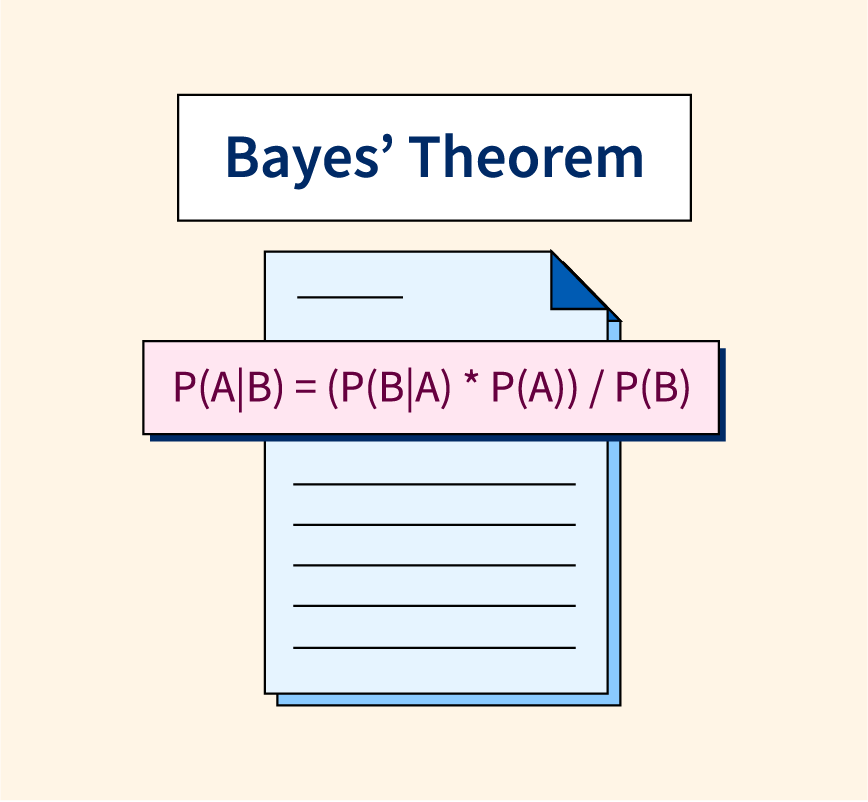
Probability theory plays a foundational role in artificial intelligence (AI) by helping systems reason, make predictions, and handle uncertainty. In AI, especially in real-world scenarios, outcomes are rarely deterministic. Agents must often make decisions with incomplete or noisy information, requiring a framework to measure, update, and infer probabilities dynamically. One of the most important tools ...