Articles for author: Team Applied AI

first order logic in ai

First-order Logic in Artificial Intelligence

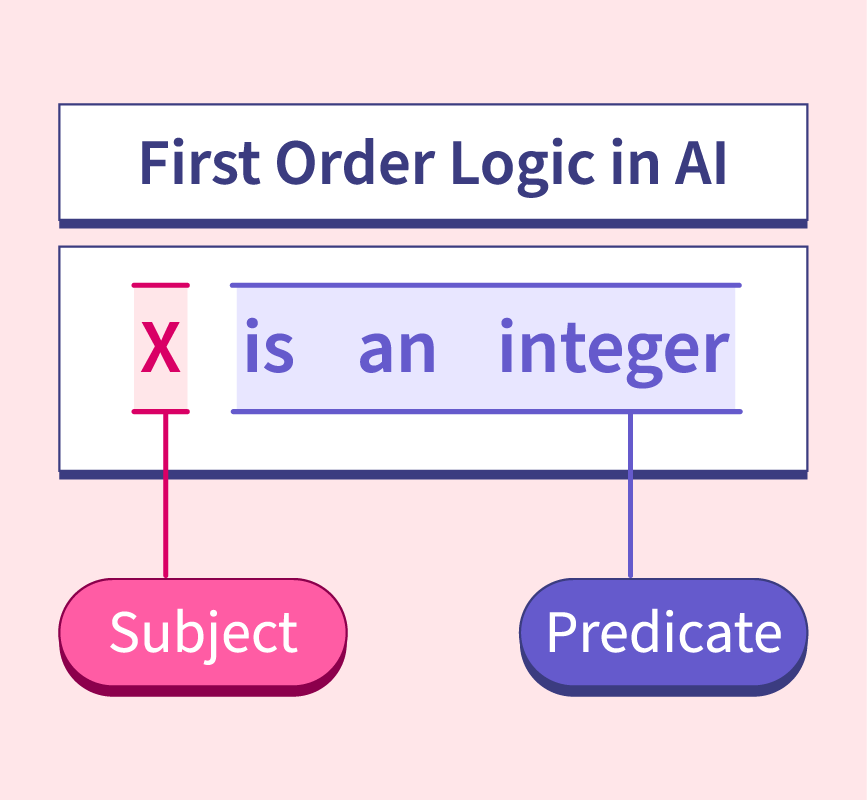
First-Order Logic (FOL) is a powerful knowledge representation method used in Artificial Intelligence (AI) for reasoning and making inferences. Unlike propositional logic, which deals with true or false values, FOL extends logical capabilities by allowing the representation of objects, relationships, and quantifiers. This makes it more suitable for AI applications that require deeper insights into ...
ridge regression in machine learning

What is Ridge Regression?

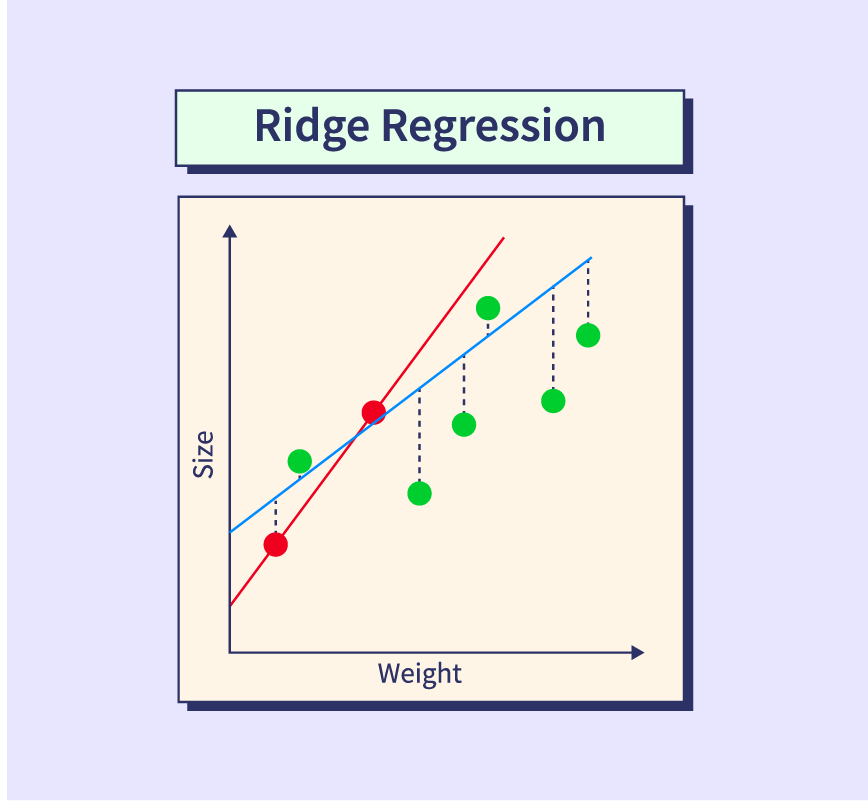
Ridge Regression is a regularization technique used to reduce overfitting by imposing a penalty on the size of coefficients in a linear regression model. While standard linear regression can provide accurate predictions when there are minimal correlations among features, its performance declines when the dataset experiences multicollinearity (i.e., high correlations among independent variables). This makes ...

regularization in machine learning

Regularization in Machine Learning

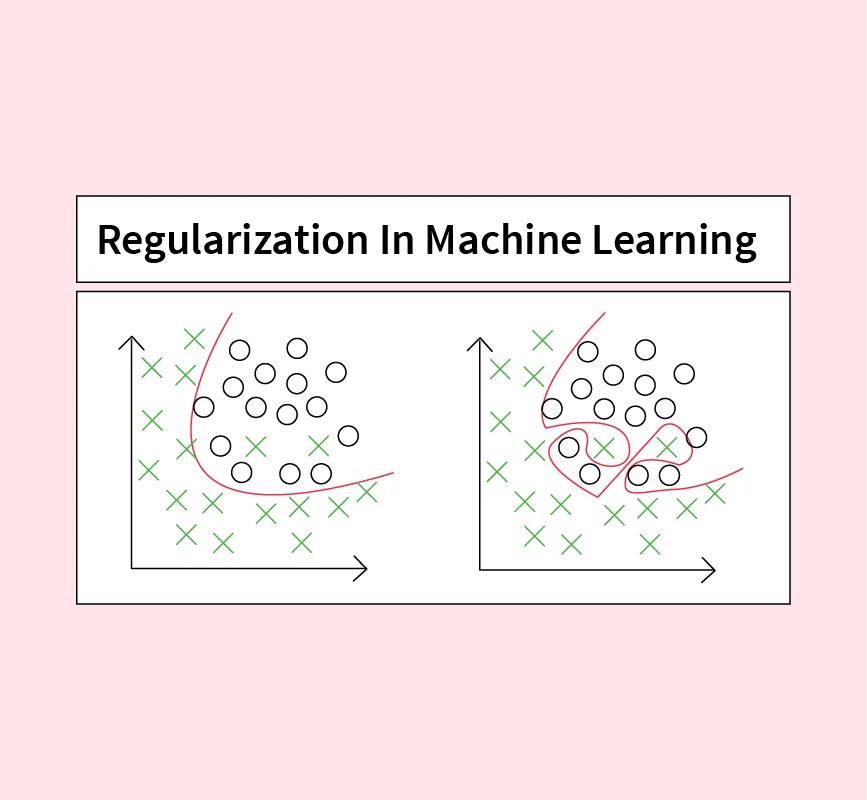
Regularization is a critical technique in machine learning used to improve the performance of models by reducing overfitting. Overfitting occurs when a model learns too much from the training data, capturing noise and irrelevant patterns that hinder its ability to generalize to new data. Regularization introduces a penalty term to the loss function, discouraging the ...

accuracy in machine learning

How to Check the Accuracy of your Machine Learning Model

In machine learning, accuracy is a crucial performance metric used to evaluate how well a model predicts labels for unseen data. It measures the proportion of correct predictions to the total number of predictions. However, accuracy alone can be misleading in certain scenarios, such as with imbalanced datasets. For instance, a model predicting 99% of ...

Risks and Dangers of Artificial Intelligence

16 Risks and Dangers of Artificial Intelligence (AI)

Artificial Intelligence (AI) has become an integral part of modern society, powering innovations across industries. While AI offers numerous benefits, it also brings significant risks and challenges. Understanding these dangers is essential for ensuring responsible development, as unaddressed risks can negatively impact individuals, societies, and global stability. Overview of AI Risks and Dangers AI introduces ...

agents in artificial intelligence

Agents in Artificial Intelligence | AI Agents

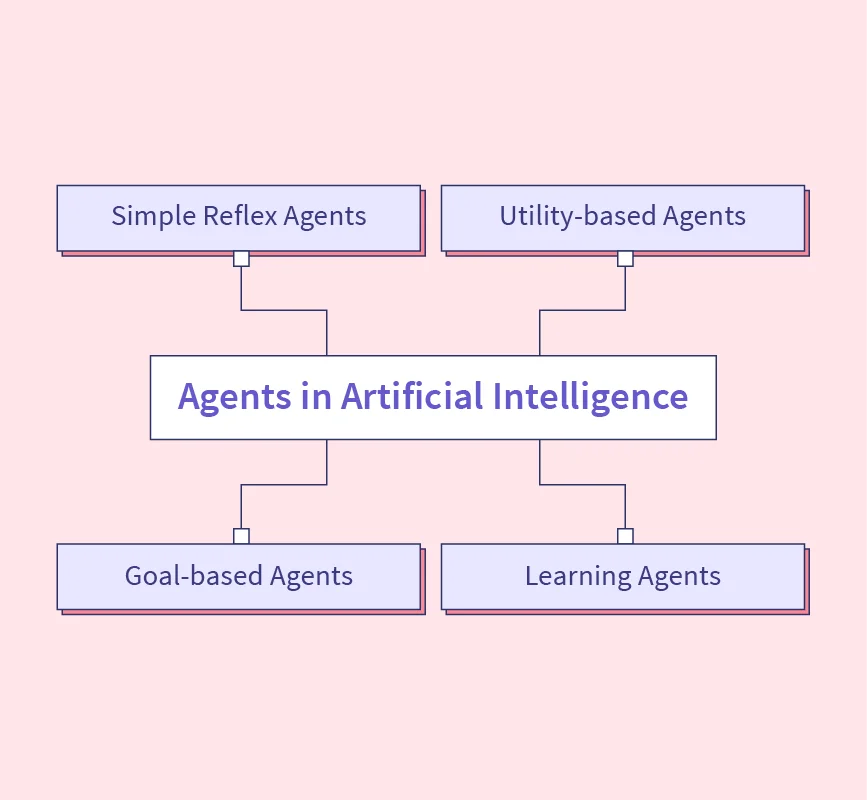
Agents play a critical role in artificial intelligence (AI) by enabling machines to interact with their environment and make decisions autonomously. These agents can range from simple reflex-based systems to complex learning agents that improve with experience. AI agents serve as the building blocks for many intelligent applications, including self-driving cars, virtual assistants, and recommendation ...

Artificial Intelligence Introduction to Artificial Intelligence

Artificial Intelligence 101: Introduction to Artificial Intelligence

Artificial Intelligence (AI) enables machines to mimic human intelligence for tasks like learning, problem-solving, and pattern recognition. With growing investments and applications across industries, AI plays a critical role in transforming fields such as healthcare, finance, and transportation. The global AI market is projected to reach $1.8 trillion by 2030, highlighting its potential impact. However, ...

Classification in Machine Learning

Classification in Machine Learning

Classification is a key task in machine learning that involves predicting discrete categories or labels for data points. It is a fundamental type of supervised learning, where the algorithm learns from labeled datasets to make predictions on unseen data. Classification models are widely used to solve real-world problems such as email spam detection, disease diagnosis, ...

Overfitting

What is Overfitting in Machine Learning?

In machine learning, the performance of a model depends on its ability to learn patterns from the data and make accurate predictions. A good model should generalize well, meaning it performs effectively not only on the training data but also on unseen, real-world data. Achieving the right balance in fitting the data is crucial—if the ...

java machine learning

Machine Learning Using Java

Java has become an essential language for machine learning (ML) due to its stability, scalability, and platform independence. As businesses seek reliable ML solutions, Java offers tools that enable the seamless deployment of models across platforms. Java’s multi-threading capabilities allow for parallel task execution, which enhances the performance of ML algorithms, especially in real-time applications. ...